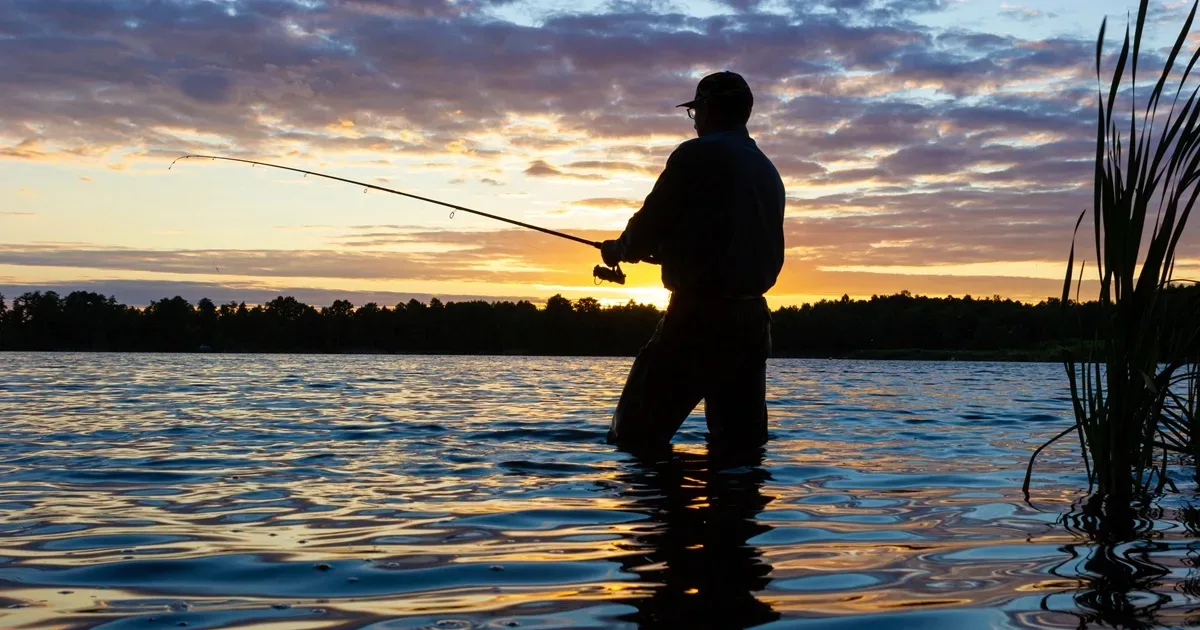


There’s a particular hush before a fish takes the bait. It might happen on a windswept pier, beside a quiet canal, or in the middle of a packed match venue where every angler watches the clock. Then comes the movement, the bend in the rod and a small crowd leaning in to see what’s at the end of the line.
Angling has always had this mixture of patience and drama. It is a sport rooted in local places, yet it has a genuinely global following. Coastal fishing communities have their own traditions, freshwater clubs run regular fixtures, and elite events bring together anglers who’ve spent years refining their approach to particular species and waters.
For spectators, too, there’s plenty to follow. The conditions change. Tactics change. A leading competitor can be overtaken in a matter of minutes. That uncertainty is part of the appeal.
A sport shaped by the water in front of you
No two fishing venues are quite alike. A tidal shoreline presents different questions from a stillwater lake, while a fast river demands another set of choices altogether. Weather, water temperature, depth, current and fish behaviour all matter, which is why experienced anglers tend to arrive prepared but never assume they’ve got the day completely figured out.
Across the world, angling is enjoyed in several broad forms:
- Coarse fishing, often centred on freshwater species such as carp, roach, bream and perch
- Game fishing, which can include trout and salmon fishing in rivers, lakes and coastal waters
- Sea angling, from shore casting to boat-based fishing
- Predator fishing, where anglers target species such as pike, perch and zander
- Fly fishing, a technical discipline using a specially weighted line and artificial fly
That variety helps explain why angling speaks to so many people. Someone may enjoy the careful precision of float fishing on a local pond, while another prefers the planning involved in a coastal trip. Both are part of the same broad sporting world.
In Britain, clubs remain at the heart of that world. They maintain waters, arrange matches and share knowledge that often takes years to build.
The Angling Trust represents anglers in England and works on matters affecting fish, fishing and the environment, reflecting how closely the sport and its waterways are linked.
Competitive fishing is far more than simply landing fish
To the casual observer, a fishing match can look slow at first. Look closer, though, and there’s a great deal happening. Competitors are assessing the water, mixing bait, selecting rigs, feeding precise areas and adjusting their tactics as conditions develop.
Some formats reward the total weight of fish caught during a fixed period. Others use length-based scoring, species points or a combination of measures. Rules vary by organiser and venue, so competitors need to read them properly before setting up.
Common competition formats
A few familiar formats regularly appear in club and larger organised events:
- Pegged matches
- Weight-based events
- Catch, measure and release competitions
- Species competitions
- Team matches
The details are not trivial. A small error with a landing net, weigh sheet or permitted bait can lead to penalties or disqualification. Equipment rules may cover hook types, line strength, fish care, bait limits and the area competitors are allowed to fish.
Preparation starts well before the first cast
Competitive anglers often prepare with the focus of any other serious sportsperson. They’ll study venue reports, consider the forecast and make sure their gear is ready. Rods, reels, floats, feeders, hooks, landing nets and unhooking mats all have their place, but knowing when to use each item is the important bit.
A typical preparation list might include:
- Checking local rules and licence requirements
- Setting up spare rigs for changing conditions
- Preparing legal bait and feed
- Testing line, knots and reel drag
- Packing fish-care equipment
- Allowing enough time to reach the venue and organise a peg
Spectator interest has grown with event updates, live weigh-ins and social coverage from fisheries and clubs. You don’t need to be an expert to appreciate a close result. When a late catch changes a leaderboard, the tension is obvious, even from the bank.
The people around the catch are what make it last
Angling is often described as solitary, and sometimes it is. But its community side is just as important. Visit a club match, and you’ll find people comparing conditions, helping set up, weighing catches and talking through what worked after the final whistle.
Volunteer organisers do a remarkable amount of unseen work. They arrange permissions, mark fishing areas, confirm rules, oversee safety and make sure results are recorded correctly. Fisheries and local businesses can play a supporting role too, especially in areas where visiting anglers contribute to pubs, cafés, tackle shops and accommodation.
Then there are the travelling anglers. Some follow regional circuits, others plan trips around famous rivers, coastlines or species. They swap venue knowledge, respect local customs and, ideally, leave the place as they found it.
That sense of belonging can be as memorable as the catch itself. Many people can recall the first club member who showed them a better knot, explained a river’s character or simply made room beside them on a difficult day.
Fishing’s future depends on healthy habitats
The future of angling is inseparable from the condition of rivers, lakes and seas. Fish need clean water, suitable habitat and sensible management. Anglers have a direct interest in noticing problems, whether that means pollution, invasive species, litter or changes to water levels.
Responsible participation is not just a slogan. It shows up in everyday choices:
- Handle fish with wet hands where appropriate, and use suitable unhooking and landing equipment
- Return fish carefully and promptly when practising catch and release
- Take litter home, including discarded line and bait packaging
- Follow seasonal restrictions, local byelaws and fishery rules
- Clean and dry equipment when moving between waters, helping reduce the spread of invasive species
- Report suspected pollution or illegal fishing to the relevant authority
In England and Wales, anglers generally need a rod fishing licence for freshwater fishing, alongside any permission required by a fishery or landowner.
It is worth checking the latest guidance through GOV.UK’s fishing licence information before heading out, as rules can differ by location and type of fishing.
Habitat stewardship often begins locally. Clubs may organise bank clean-ups, support fishery improvement work or raise concerns about water quality. None of this is especially glamorous, but it’s essential. A well-run venue can offer good sport while protecting the fish and wider wildlife that make it possible.
Competitive fishing explained: Rules, formats and what fans should know
If you’re new to following matches, start by finding out how that particular event is scored. Is it total weight, number of fish, length, species points or team placement? Once you know that, the rest becomes much easier to read.
Keep an eye on these three things:
- The draw: Where someone is placed can influence their options, especially on a venue with varying depths and features.
- The conditions: Wind direction, rain, temperature and water clarity can all alter fish behaviour.
- The adjustments: The strongest competitors rarely stick rigidly to one plan. A change of depth, hook size, bait or feeding pattern may turn a difficult session around.
It’s also worth remembering that sportsmanship matters. Good competitive fishing depends on clear rules, careful fish handling and respect for fellow anglers. That is what allows a close contest to feel fair, whether it’s a small club fixture or an international event.
Fishing-themed entertainment (18+)
For adults looking for a fishing-themed entertainment title separate from competitive sport, Big Bass Bonanza is available via Virgin Games.
This is gambling entertainment, not angling, and it has no connection to fishing skill, sporting performance or competition results. Only take part if you are aged 18 or over, set limits before you play, and never treat gambling as a way to make money. Support is available from GamCare if gambling stops feeling manageable.
Why angling remains widely followed
Angling endures because it offers something few sports can quite replicate: technical skill, changing natural conditions and a proper sense of place. One day it’s a carefully judged match on a commercial fishery; another, it’s a quiet morning by the sea with locals comparing the tide.
For fans, the fascination lies in those small decisions that build towards a result. For participants, it is often the people, the water and the routine that bring them back. A big catch is memorable, of course. But so is the club banter, the shared advice and the care taken to ensure the next person can enjoy the same stretch of water.












![AFG vs IND [WATCH]: Varun Chakaravarthy cleans up Darwish Rasooli with a ripper in first T20I](https://asiaeuropesports.com/wp-content/uploads/2026/09/Varun-Chakaravarthy-dismissed-Darwish-Rasooli-in-the-first-T20I.webp-120x86.webp)

![SA vs AUS [WATCH]: Pat Cummins smashes three sixes in an over against Simon Harmer in 1st Test](https://asiaeuropesports.com/wp-content/uploads/2026/10/Pat-Cummins-smashes-three-sixes-in-an-over-against-Simon-Harmer-in-1st-Test.webp-120x86.webp)