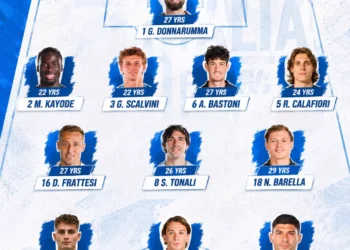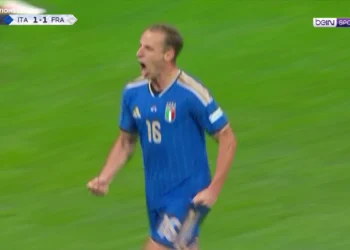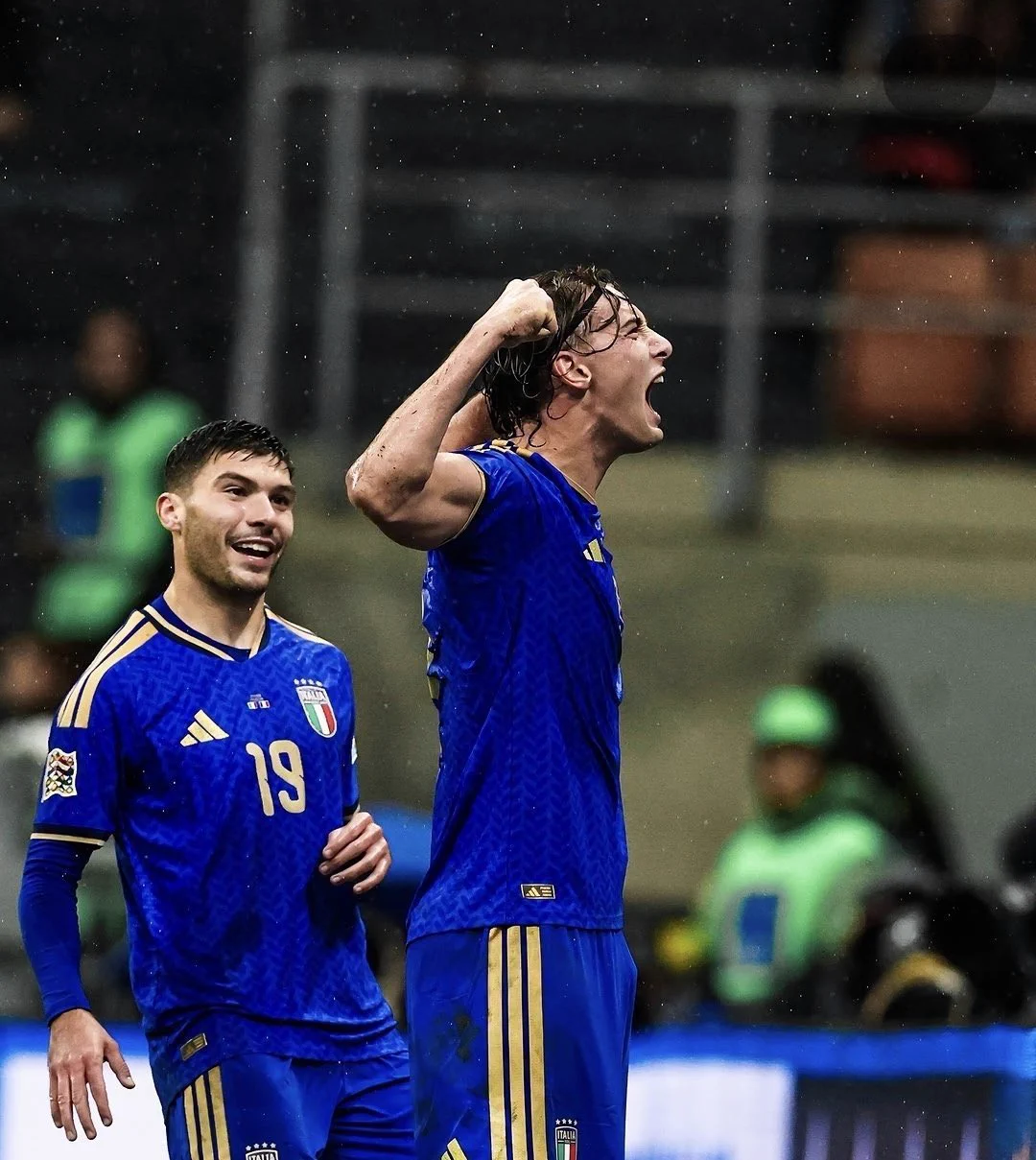
Italy national football team suffered a damaging 4-1 defeat to Belgium in Brussels on Sunday evening, ending their hopes of reaching the Nations League quarter-finals despite entering the match top of Group A1 and needing only a draw. Francesco Pio Esposito gave the Azzurri an early lead, but Belgium responded with three goals in 11 first-half minutes through Maxim De Cuyper, Nathan Ngoy and Jeremy Doku before Diego Moreira added a late fourth. A missed late penalty from Esposito compounded the misery as France secured top spot with victory over Turkiye elsewhere. The result leaves Italy third in the group and out of the knockout stages, prompting coach Roberto Mancini to acknowledge the scale of the setback while insisting lessons would be learned for the future.
What does the heavy defeat mean for Mancini’s rebuilding project?
The loss highlights the challenges still facing the squad as Mancini continues to integrate younger players and restore confidence after missing the last three World Cups. Mancini told reporters after the match that Belgium had been the better side on the night and that fatigue from the midweek win over France had played a part, though he stressed the overall assessment remained positive. The Azzurri had looked in control early on but were unable to cope with Belgium’s intensity and width once the game turned. Physical duels and transitions proved decisive problems, areas the coach has identified for improvement in coming months.
Donnarumma admitted the team had struggled to match the emotional high of the France victory, describing a physical and mental hangover that left them vulnerable. The captain’s comments underline how quickly momentum can shift at this level, even against a side that Italy had previously beaten at home. With several players returning to their clubs for the domestic schedule, the focus now turns to maintaining development without the immediate pressure of qualification.
Belgium’s attacking quality, led by contributions from De Bruyne’s influence in build-up play and the pace of Doku and Moreira, exposed gaps in Italy’s defensive organisation. The three goals in quick succession midway through the first half shifted the contest decisively, leaving Mancini’s side chasing the game and unable to regain control. Esposito’s early strike and the penalty miss bookended a night that began with promise and ended in disappointment.
FIGC commissioner Giovanni Malago moved swiftly to support the manager, stating that the rebuilding project remains on track despite the result. Such backing provides continuity at a time when results can invite scrutiny, particularly with the next international window some months away. Young talents like Koleosho and Pisilli featured in the squad adjustments, offering glimpses of potential amid the defeat.
The Nations League campaign overall delivered mixed outcomes, including the strong performance against France that had put qualification in Italy’s hands. That 3-1 win demonstrated resilience and attacking threat, yet the Brussels collapse showed the work still required to sustain such levels over consecutive fixtures. Mancini has repeatedly emphasised courage and experience for the younger cohort, and this match will serve as a clear reference point in training sessions ahead.
Attention now shifts to domestic form and individual progress at club level, where players will seek to build fitness and consistency before the next Azzurri gathering. The experience of facing high-quality opponents like Belgium remains valuable in the long-term development of the group, even if immediate qualification proved elusive. Supporters will watch how the squad responds in the coming weeks with interest.
How do you see the team progressing from here?
About the writer
Davo89 — I mostly write about Italy’s history and old seasons on Italy Football Fans, and I always try to find the team-sheet and match report from my first away trip in Emilia-Romagna.